
A dedicated plant budget accounts for the full year, not simply installation day. We help Metro Atlanta property, office, and facilities managers connect thoughtful design with ongoing care, so a welcoming January lobby has a plan behind it well beyond March.
Why Q4 Is the Time to Plan Your Plant Budget
Q4 is a useful planning window if your organization is preparing for a January fiscal-year start. If approval is scheduled for November, focus on a defined scope and an itemized proposal. Confirm your submission date, procurement requirements, and review process before requesting a quote.
If you are just getting started, prioritize the spaces that matter most rather than rushing to cover the entire building. A phased plan can distinguish essential installations from later additions. Explain how the proposed workplace investment supports your space, then agree on a realistic assessment and proposal timeline.
Four Line Items Every Office Plant Budget Needs
1. Design and Installation
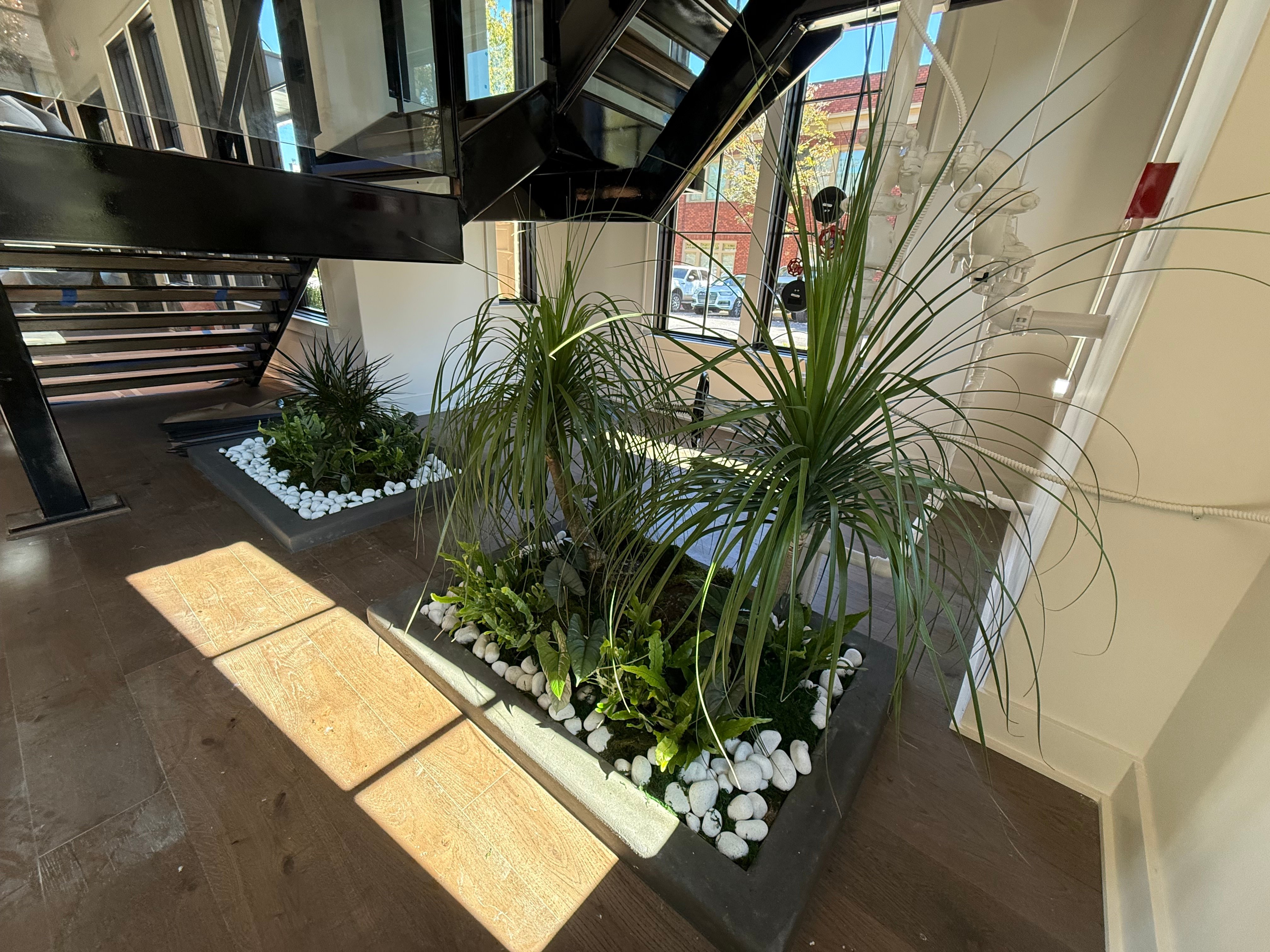
Budget for the assessment, layout, delivery, and plant installation your project requires. A plantscape designer evaluates light, traffic flow, ceiling height, scale, and maintenance expectations before recommending plants and placements.
Peachtree Plants offers a free design consultation and proposal, with digital imaging to help you visualize the plan. Ask the quote to distinguish any installation charges from included design services.
2. Plants and Containers
Account for the plants and containers specified for each space. Your plant selection should reflect actual growing conditions as well as the scale and character of your interior.
For a purchase, identify the initial plant and container costs. For a lease, confirm which costs are included in recurring payments and which are due upfront. Leasing does not automatically mean zero initial expense.
3. Scheduled Maintenance
Include professional plant maintenance as a defined recurring service. The scope can include watering adjustments, pruning, foliage cleaning, soil care, and pest monitoring, matched to the plants and conditions in your building.
Confirm the service frequency, covered locations, and billing structure. If maintenance is already included in a lease or bundled proposal, identify that inclusion rather than adding the same expense again.
4. Replacement and Seasonal Refresh
Separate replacement coverage from optional design changes. Replacing a declining plant and adding seasonal flowering plants serve different purposes, and your agreement may treat them differently.
Confirm covered plants, exclusions, and any charges under the replacement guarantee. A purchase can have replacement coverage, and a lease can have exclusions. Budget separately for seasonal refreshes or replacements that are not included.
Leasing vs. Buying Office Plants
Compare leasing and buying against the same design and service scope. Ownership, payment timing, maintenance, and replacement terms matter more than the label alone.
| Budget consideration | Leasing | Buying |
|---|---|---|
| Initial commitment | Confirm setup charges, deposits, and any other upfront costs. | Confirm plant, container, and installation purchase costs. |
| Recurring payments | Identify the lease payment and everything included in it. | Identify ongoing care and any other recurring services. |
| Ownership | Review who owns the plants and containers during and after the term. | Confirm the assets included in your purchase. |
| Replacement coverage | Review the service agreement and exclusions. | Review the service agreement and exclusions. |
| Changes and end-of-term costs | Check renewal, removal, redesign, and termination terms. | Allow for future changes, additions, or removal as needed. |
Ask your finance team how each proposal should be classified under your organization's accounting policies. Do not assume every lease is automatically an operating expense or every purchase must be capitalized.
Build Your Budget Using the Zone Method
A zone-based estimate connects your budget to the conditions and priorities of each space. Total building square footage alone cannot describe the needs of a bright reception area and an interior conference room.
- Map priority zones. List lobbies, reception areas, conference rooms, and employee spaces. Rank them by visibility, use, and design priorities.
- Assess actual conditions. Document light, HVAC exposure, traffic, and scale. A professional interiorscape assessment connects those conditions to plant placement and care.
- Request comparable quotes. Separate one-time charges, recurring services, and optional additions. Request lease and purchase options for the same scope.
yearly budget = one-time charges + (monthly recurring cost × months of service) + allowances for replacements or refreshes not already included.
Count bundled costs and shared maintenance visits only once. If approval covers a smaller scope, fund the priority zones first and show later phases separately.
We Can Help Plan Your Plant Services
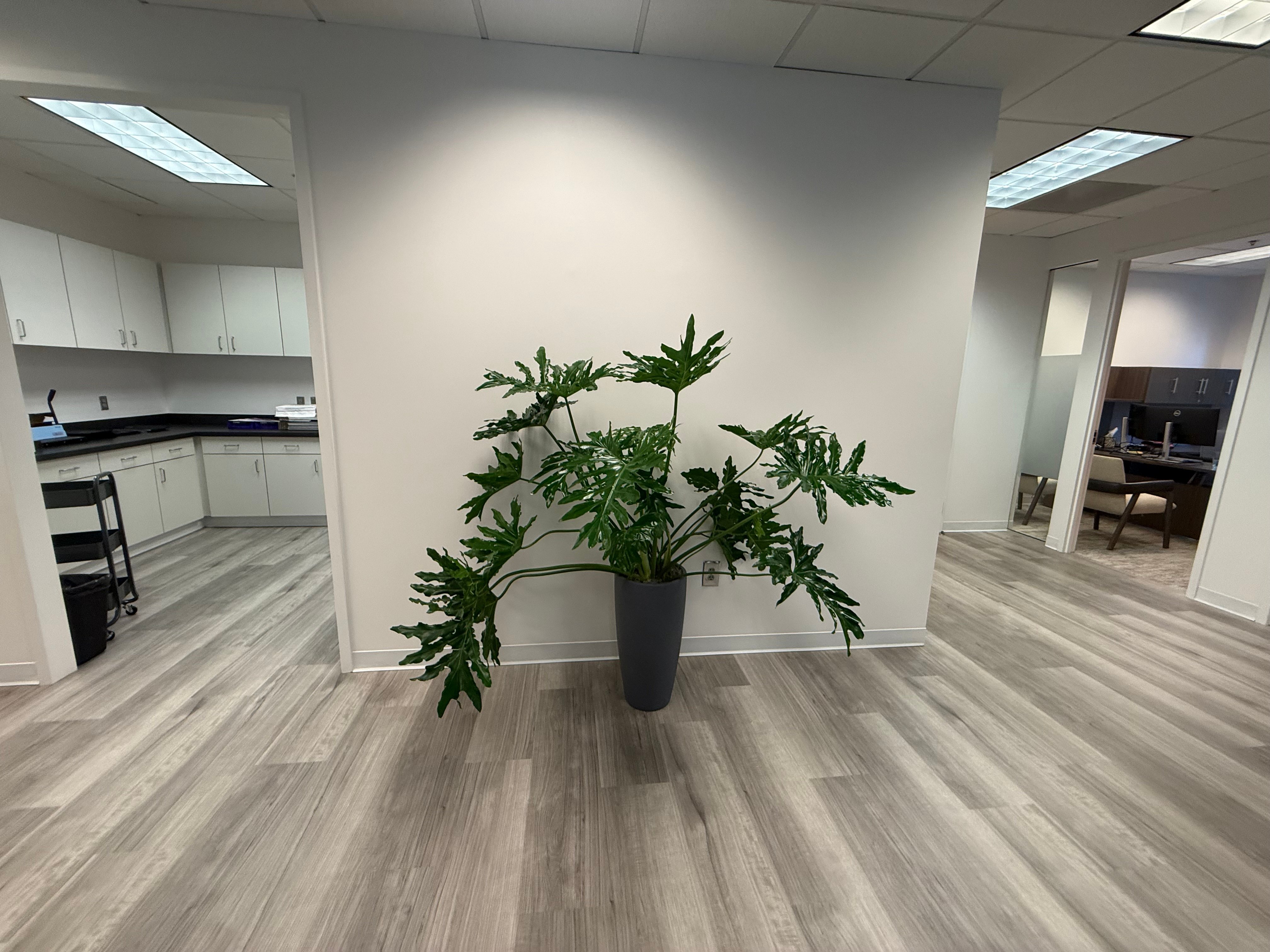
We provide interior plant design, professional installation, and ongoing horticultural care across Metro Atlanta. Our plantscape planning process considers your environment, daily use, design vision, and long-term maintenance needs.
If budget approvals are approaching, share your submission date when you contact us. If you are just beginning your budget, start with your priority zones. We can discuss purchase and lease options so you can compare the scope and costs for your space.
Call us at 770-242-7442 to start a conversation about your space.